How Grand Park Influences Home Values In Westfield
April 23, 2026
April 23, 2026
If you are looking at Westfield real estate, Grand Park is hard to ignore. It is one of the city’s biggest draws, and it shapes how many buyers think about convenience, access, and long-term value. Whether you are buying, selling, or trying to understand where the market may be headed, it helps to know how Grand Park fits into the bigger picture in Westfield. Let’s dive in.
Grand Park is already a major destination in Westfield. The city describes it as a 400+ acre sports campus with 31 multi-purpose fields, 26 diamonds, and a 377,000-square-foot events center, and the city’s fact sheet says it generated 5.5 million visits in 2023. That kind of activity gives the area strong visibility and keeps Grand Park top of mind for many buyers and property owners.
But the real housing story goes beyond tournaments and weekend traffic. According to the City of Westfield fact sheet, Westfield had an estimated 62,994 residents in 2024 and continues to grow quickly. That broader population growth matters because it supports housing demand even outside the sports calendar.
The long-term influence of Grand Park comes from what the district is planned to become. The April 2025 Grand Park Master Plan outlines one possible full buildout with 3,784 residential units, 506,211 square feet of retail, 394,703 square feet of hotel space, 575,827 square feet of office, and 544,993 square feet of sports and institutional use.
That matters because buyers often pay attention to more than the house itself. A district with planned housing, shops, trails, hotels, offices, and sports facilities can create a stronger sense of place over time. The same master plan also calls for trail connections to the Monon Trail and downtown Westfield, which supports the area’s appeal as a more connected, mixed-use part of the city.
In simple terms, mixed-use growth can help support property values by expanding what buyers can do nearby. It can also make an area feel more established and predictable than a location built around one use alone. That is especially relevant near Grand Park, where the city is planning a district rather than treating the campus as a stand-alone sports venue.
The master plan also notes that a new zoning district will encompass the full Grand Park District. While no plan guarantees a specific price outcome, a more formal development framework can make the area easier for buyers, sellers, and investors to understand.
Grand Park is influencing home values within a market that is already performing well. Redfin’s Westfield housing market data reports a $497,000 median sale price in March 2026, up 9.3% year over year, with homes selling in an average of 38 days. Realtor.com’s 46074 overview also shows a strong market with a $510,200 median listing price, 39 days on market, and a 98% sale-to-list ratio.
Those numbers suggest buyers are still active in Westfield, and sellers are not operating in a soft market. For homes near Grand Park, that creates a supportive backdrop. Instead of relying only on future plans, the area benefits from current market momentum too.
One of Grand Park’s clearest advantages is convenience. Many buyers like being close to a major destination, especially one with ongoing activity, easy regional recognition, and future development around it. That does not mean every home near Grand Park will perform the same way, but location near a major amenity can expand the buyer pool.
For some buyers, the appeal is simple: access to events, trails, and future retail or dining options. For others, especially relocating buyers, Grand Park helps make Westfield easier to understand as a place on the map. A recognizable destination often gives buyers more confidence in the area’s long-term visibility.
A major reason Grand Park may influence values over time is that it sits within a city that is still growing. Westfield’s population growth supports demand for housing beyond short-term visitor traffic. That is important because stable resale value usually depends on a broad base of buyer demand, not just one seasonal driver.
Westfield Washington Schools also reports enrollment growth and future capacity expansion. According to the district’s welcome page, it serves more than 10,100 students, and the city reports plans for two new elementary schools and one middle school in 2026 and 2027. That growth helps show why buyer interest in Westfield is tied to the city’s larger expansion, not only to Grand Park itself.
Not every home near Grand Park is affected in the same way. In general, the strongest fit appears to be homes that combine proximity, convenience, and flexible use.
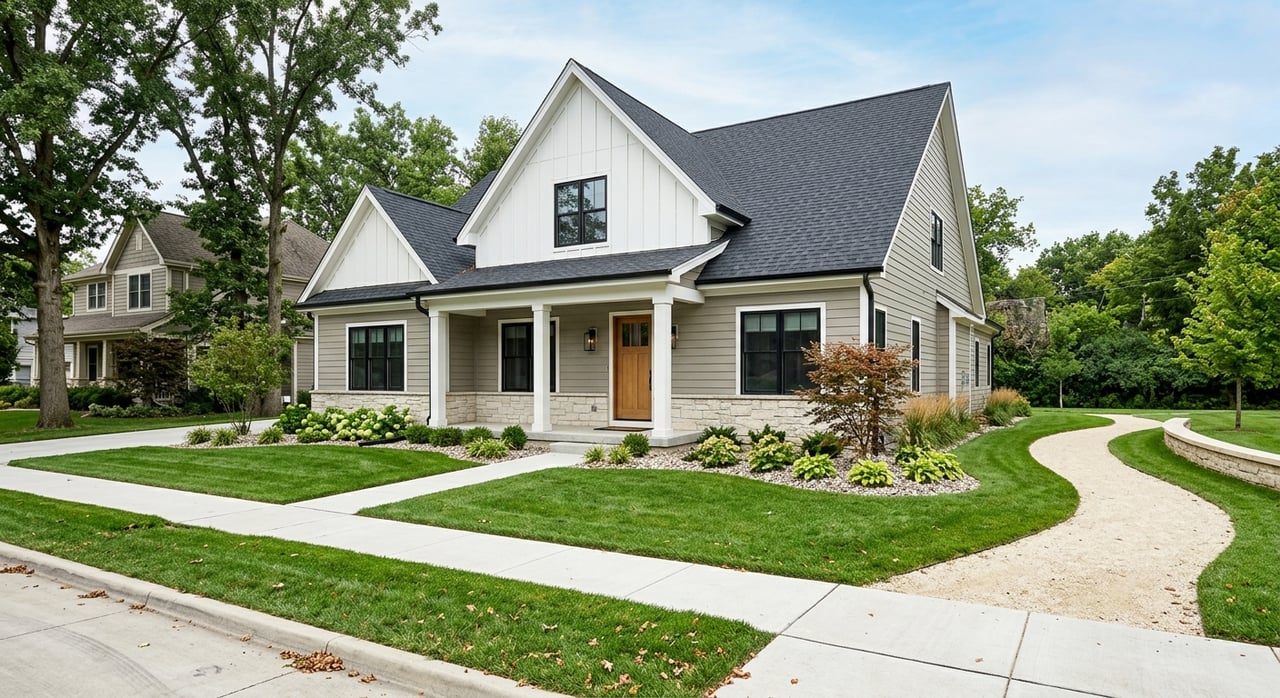
Low-maintenance homes appear well positioned near the district. Public inventory from Townes at Grand Park Village shows townhomes priced from the high $300,000s to the low $400,000s, with floor plans around 2,144 to 2,332 square feet. Harbor at Grand Park Village also offers low-maintenance villa-style homes in a similar price range.
Recent sales in those communities moved quickly. The research report notes that 414 Elite St sold for $437,990 after 4 days on market, and 18332 Depoe Ln sold for $414,990 after 4 days on market. That does not guarantee future speed or pricing, but it does suggest strong interest in low-upkeep housing near Grand Park.
Detached homes can benefit too, especially when Grand Park access is paired with established neighborhood amenities. Recent sold examples in Westfield, including homes in Chatham Hills, show strong pricing across upper-tier detached properties. The city’s fact sheet also identifies The Club at Chatham Hills as one of Westfield’s private golf courses, which adds another layer of lifestyle appeal for some buyers.
In practice, this means Grand Park can support more than one buyer segment. Some buyers want easy access and lower maintenance, while others want a larger home in a neighborhood with a distinct identity and amenities nearby.
Select land near Grand Park may also draw attention as the district evolves. The research report cites a 3-acre lot south of Grand Park parking lot F that sold for $319,000 in 2 days. That is only one example, but it suggests that parcels with location and access can attract interest as future development takes shape.
Grand Park’s visitor economy has also created interest from buyers thinking about short-stay or lodging-related use. A city-commissioned economic impact report found $97.2 million in visitor spending in 2015, including lodging. The report also noted that as hotels and restaurants develop around the campus, more of that spending may stay in Westfield.
The current district plan supports that direction. The 2025 master plan places a full-service hotel and conference center in Phase 1 and contemplates additional hotel capacity later. That does not mean every nearby home is a good fit for short-term use, but it does show why Grand Park continues to attract investor attention.
Before making assumptions about short-term rental potential, buyers should verify the rules that apply to a specific property. The city’s Unified Development Ordinance includes lodging-related use categories such as bed-and-breakfast and hotel or motel. Even so, property-level restrictions can vary.
If you are evaluating an investment near Grand Park, it is smart to confirm:
If you are buying near Grand Park, it helps to think past the next event weekend. A home there may benefit from both today’s convenience and tomorrow’s district growth. The strongest opportunities may be in properties that offer low maintenance, good access, and a location that still feels livable when the area gets busier.
You should also compare the home’s immediate setting. Street access, traffic flow, community design, and distance to future district features can all shape resale appeal. Two homes with similar square footage can perform very differently depending on how they connect to the larger area.
If you own a home near Grand Park, your property may have more to market than square footage and finishes alone. Buyers may respond to location advantages such as access to a well-known destination, proximity to future mixed-use growth, and Westfield’s broader market strength. The key is presenting those benefits clearly and pricing the home in line with real market evidence.
This is where local strategy matters. A strong listing plan should connect your home to the features buyers are actually searching for, while still grounding the sale in current comps and neighborhood-level demand.
Grand Park appears to support home values in Westfield through a mix of current activity and long-term planning. Its visitor volume, district-scale buildout, and connection to a fast-growing city all help strengthen the area’s real estate story. The biggest value effect is likely in homes that pair proximity with convenience, flexibility, and strong neighborhood context.
If you are weighing a move in Westfield or trying to understand how Grand Park affects your home’s value, working with a local expert can help you sort hype from real market leverage. When you are ready for a personalized strategy, connect with Scott Harmeyer for guidance tailored to your goals.
Stay up to date on the latest real estate trends.

Whether you are buying, selling, or looking to get pre-qualified, you’ve come to the right place to achieve success in our exciting housing market. Feel free to reach out anytime with any questions or comments!