Life Near Carmel’s Arts And Design District
July 23, 2026
July 23, 2026
If you want a Carmel lifestyle that feels more walkable, social, and visually distinctive than a typical suburban routine, the Arts & Design District deserves a close look. This area offers a mix of local shops, restaurants, public art, and housing options that can change how your day-to-day life feels. If you are thinking about buying near the district, understanding the pace, housing mix, and neighborhood character can help you decide if it fits the way you want to live. Let’s dive in.
Carmel’s Arts & Design District sits in Old Town Carmel at Main Street and Range Line Road. The city describes it as a major arts and design destination, and the Indiana Arts Commission recognizes it as one of the state’s cultural districts. That identity shows up in the streetscape, business mix, and everyday atmosphere.
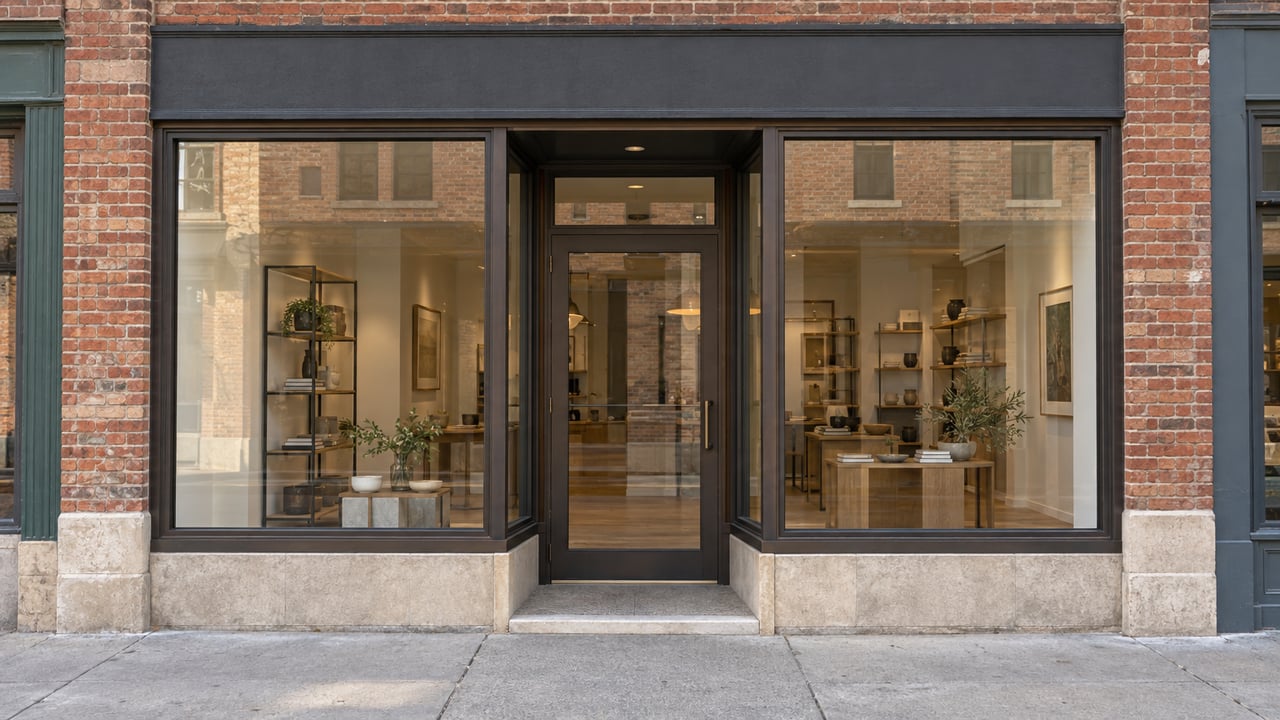
The area includes more than 200 art and design focused businesses according to the district website. You will also find galleries, showrooms, restaurants, antique stores, and specialty retail throughout the district. Instead of feeling like a standard commercial strip, it reads as a compact mixed-use area with a clear sense of place.
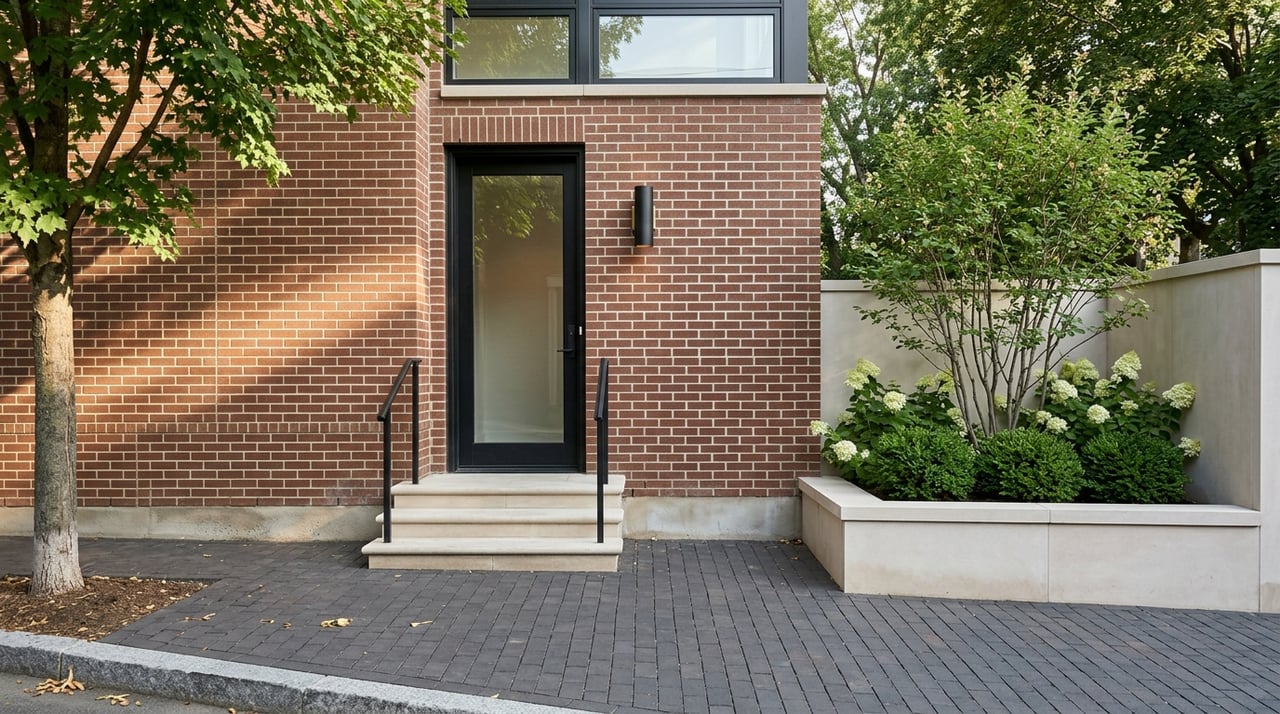
City-led redevelopment has shaped much of that experience. Brick sidewalks, historic-style street lighting, archways, curb dining, and public art help create a pedestrian-oriented setting. Signature destinations like the Indiana Design Center add to the district’s identity and make the area feel established rather than experimental.
Living near the Arts & Design District can support a walk-first routine, especially if you are close to the core. The district and city resources highlight easy access to local shopping, dining, galleries, and the Monon Greenway. For some buyers, that means fewer car trips for simple outings and a more connected daily rhythm.
The Monon Greenway runs through the heart of the district, which adds another layer to daily convenience. Whether you enjoy walking, biking, or just being near an active trail corridor, that feature can shape how often you get out and use the area. A bike-share station at Main Street and the Monon also reinforces the district’s car-light appeal.
This is also a place where the visual setting becomes part of your routine. Public art, sculptures, and installations appear throughout the district and nearby roundabouts. That creates a backdrop that feels more curated and arts-focused than what you might expect in a typical suburban shopping area.
If you prefer a neighborhood with some energy after work, this area has a lot to offer. City information points to wine tasting, live music, neighborhood pubs, and comedy nights as part of the district’s nightlife. Nearby cultural venues and entertainment areas add to that sense of activity.
That does not mean every block feels busy at all times, but it does mean the area tends to stay more engaged than a purely residential neighborhood. On many evenings and weekends, you can expect more foot traffic and more visible activity than you would in a subdivision setting. For many buyers, that is part of the appeal.
The district’s event calendar also shapes local life. Annual and recurring programming includes events like Late Night on Main, Americana on Main, Carmel on Canvas, and holiday events such as Santa Saturdays. If you live nearby, you are not just close to these events. You live alongside the added energy they bring.
Housing around the district is more varied than what many buyers expect in Carmel. The area includes townhouses, condominiums, apartments, and residential space near or above commercial uses. That mixed-use pattern gives buyers more than one way to be close to the action.
One example is Old Town on the Monon, a mixed-use project that added 91 market-rate apartments and retail space. Developments like this help explain why the district feels different from a traditional single-use neighborhood. You are seeing residential living woven directly into the commercial and cultural fabric.
Just beyond the most active blocks, the nearby residential streets shift in character. City materials describe the immediate area as a walkable mixed-use corridor, while the streets around Old Town keep more of an established neighborhood feel. That mix can appeal to buyers who want access to the district without being in the center of it every hour of the day.
A big part of the area’s appeal is that it does not feel uniformly new. Carmel’s Old Town Overlay covers much of the residential area east and west of Range Line Road and is meant to preserve neighborhood character by protecting building patterns and siting. In plain terms, that helps maintain the older fabric that gives this part of Carmel its personality.
The city’s historic preservation process also includes survey-based review and demolition-delay protections for historic properties. For buyers, that is a useful signal that the area includes older architectural variety and long-established development patterns. If you are drawn to neighborhoods with a little more texture and less repetition, that can be a meaningful advantage.
This setting can be especially attractive if you want a home near newer amenities without giving up a sense of local history. Some buyers want a polished, master-planned feel. Others want something that feels more layered and rooted. Near the district, you can find both influences in a relatively compact area.
The nearby Midtown area helps connect the Arts & Design District to Carmel City Center. City information describes Midtown as offering urban-style living, residential development, public art, and shared gathering spaces. That connection expands the lifestyle picture for buyers looking at this part of Carmel.
Instead of evaluating the district as one isolated pocket, it helps to think of it as part of a broader walkable corridor. You have the Arts & Design District’s galleries and shops, then Midtown’s gathering spaces and urban-style environment nearby. For buyers who value access and activity, that wider context matters.
Every lifestyle district comes with trade-offs, and this one is no different. Event nights and festivals can bring more congestion, more pedestrians, and occasional street closures on Main Street. If you want a lively setting, that may feel like a benefit, but it is still something to factor into your decision.
Parking is also actively managed in the district. Carmel has a merchant parking permit program for 3-hour parking lots in the Arts and Design District, which reflects how the city supports business and event activity. For nearby residents, that usually means paying attention to how parking works during busy periods.
The key question is what kind of daily experience you want. If your ideal neighborhood is quiet and purely residential, the district may feel too active. If you like being able to step into a more social, walkable environment, the trade-offs may feel well worth it.
The Arts & Design District often appeals to buyers who want more than square footage alone. It can be a strong fit if you value walkability, local businesses, public art, and a neighborhood that feels active throughout the year. Buyers relocating from more urban environments may also appreciate having a Carmel option with a compact, mixed-use feel.
It may also work well for buyers who want flexibility in housing style. The area offers attached housing and mixed-use residential options near the core, with established residential streets nearby. That gives you room to prioritize either immediate walkability or a little more separation while still staying close.
For many buyers, the biggest draw is the balance. You get suburban Carmel convenience, but with a more distinctive setting and stronger sense of place than you will find in many newer developments. That blend is what makes the area memorable.
Life near Carmel’s Arts & Design District is about access, character, and activity. You are close to shops, restaurants, galleries, public art, and the Monon Greenway, with housing options that range from mixed-use apartments and townhomes to older nearby residential blocks. It is a part of Carmel that feels intentionally designed for people who want to be out in the neighborhood, not just driving through it.
If that sounds like your style, it helps to work with an agent who understands how small location differences can shape your experience. A home a few blocks away can feel very different from one in the heart of the district. If you want help comparing options near the Arts & Design District or anywhere else in Carmel, connect with Scott Harmeyer for local guidance tailored to your move.
Stay up to date on the latest real estate trends.
Whether you are buying, selling, or looking to get pre-qualified, you’ve come to the right place to achieve success in our exciting housing market. Feel free to reach out anytime with any questions or comments!