From Decision To Closing: Selling Your Avon Home Step By Step
June 18, 2026
June 18, 2026
Thinking about selling your Avon home? In a market where listings can go pending in about two weeks, the steps you take before your home hits the market can shape everything that follows. If you want a smoother sale, stronger buyer interest, and fewer surprises between contract and closing, it helps to know what happens at each stage. Let’s dive in.
Recent Avon and Hendricks County data point to a market that still rewards sellers who are ready from day one. Zillow estimated the average Avon home value at $357,189 as of May 31, 2026 and reported homes going pending in around 13 days. Indiana REALTORS' Hendricks County dashboard for May 2026 showed a median sale price of $350,000, 1.7 months of inventory, a 97.7% original asking-price ratio, and a 15-day median days on market.
Redfin's three-month snapshot ending in May 2026 showed a median sale price of $348,953, 24 days on market, and a 98.9% sale-to-list ratio. These numbers are not identical because the sources use different methods and timeframes. Still, they point to the same takeaway: the first week or two on the market can carry a lot of weight.
That means pricing, presentation, and launch strategy are not details to figure out later. In Avon, they are often the difference between early momentum and a listing that needs a reset.
Before you list, start with your goals. You may be trying to move on a certain timeline, protect your net proceeds, line up your next purchase, or minimize disruption to daily life. A clear plan helps you make better decisions when offers and deadlines start coming in.
This is also the stage where local guidance can make a real difference. With homes moving quickly and buyers paying close attention to value, you need a strategy that matches current Avon conditions, not last year's market.
In a market with low inventory and quick pending times, the launch price matters a lot. Buyers compare new listings immediately, and many of the strongest showings happen early. If your home is priced well from the start, you are more likely to attract serious traffic while the listing still feels fresh.
A strong pricing strategy is not about guessing high and hoping buyers negotiate down. It is about using current local market data, recent comparable sales, and the home's condition and presentation to create a number that fits today's buyer expectations.
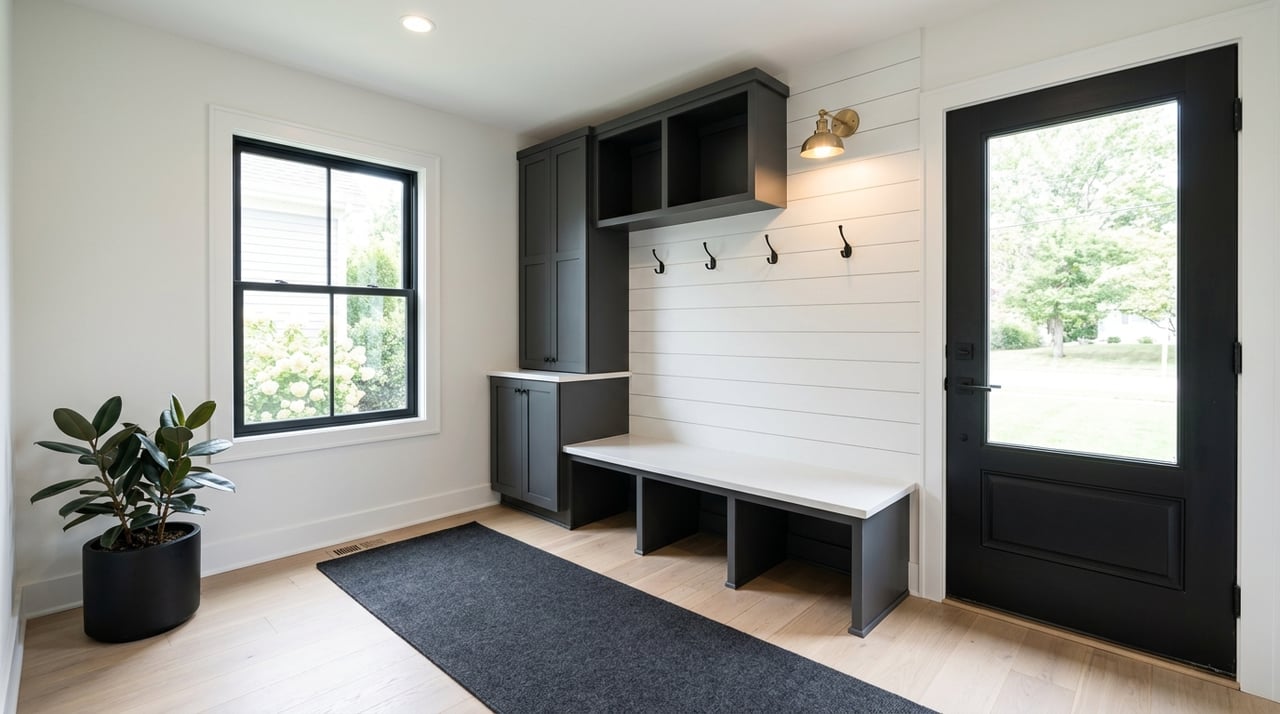
Preparation often starts with the basics: cleaning, repairs, touch-ups, and decluttering. Buyers notice whether a home feels well cared for, and small issues can create bigger questions during showings or inspections. Taking care of visible items early can help your home present better and reduce friction later.
If your home needs larger updates, the right choice depends on your timing and budget. In many cases, the smartest move is not doing everything. It is focusing on the items that improve presentation, reduce buyer concern, or help support your asking price.
Indiana generally requires sellers of one- to four-unit residential property to complete the Seller's Residential Real Estate Sales Disclosure form. This form covers the seller's current actual knowledge of the home's physical condition and must be provided before you accept an offer.
The form asks about topics such as appliances, electrical systems, heating and cooling, roof conditions, structural issues, hazardous conditions, water and sewer, permits, floodplain status, HOA restrictions, and access. It is important to know that this disclosure is not a warranty. It is a statement based on what you currently know.
Indiana also requires you to disclose any material change in the property's condition at or before settlement, or certify that the condition is substantially the same as when the disclosure was first provided. Staying organized during the sale helps you handle this step with confidence.
If your home was built before 1978, there is an additional disclosure step under federal law. Sellers and their agents must disclose known lead-based paint information, provide available records and reports, include a lead warning statement, and give buyers the EPA lead pamphlet.
Buyers must also be given a 10-day opportunity for a lead inspection or risk assessment before the contract is signed. If your Avon home falls into this age range, make sure this is handled early and correctly.
Once the home is clean and ready, presentation becomes a major part of your launch. The way your home looks online can determine whether buyers decide to schedule a showing at all. NAR reported that 81% of buyers rated listing photos as the most useful feature during an online search.
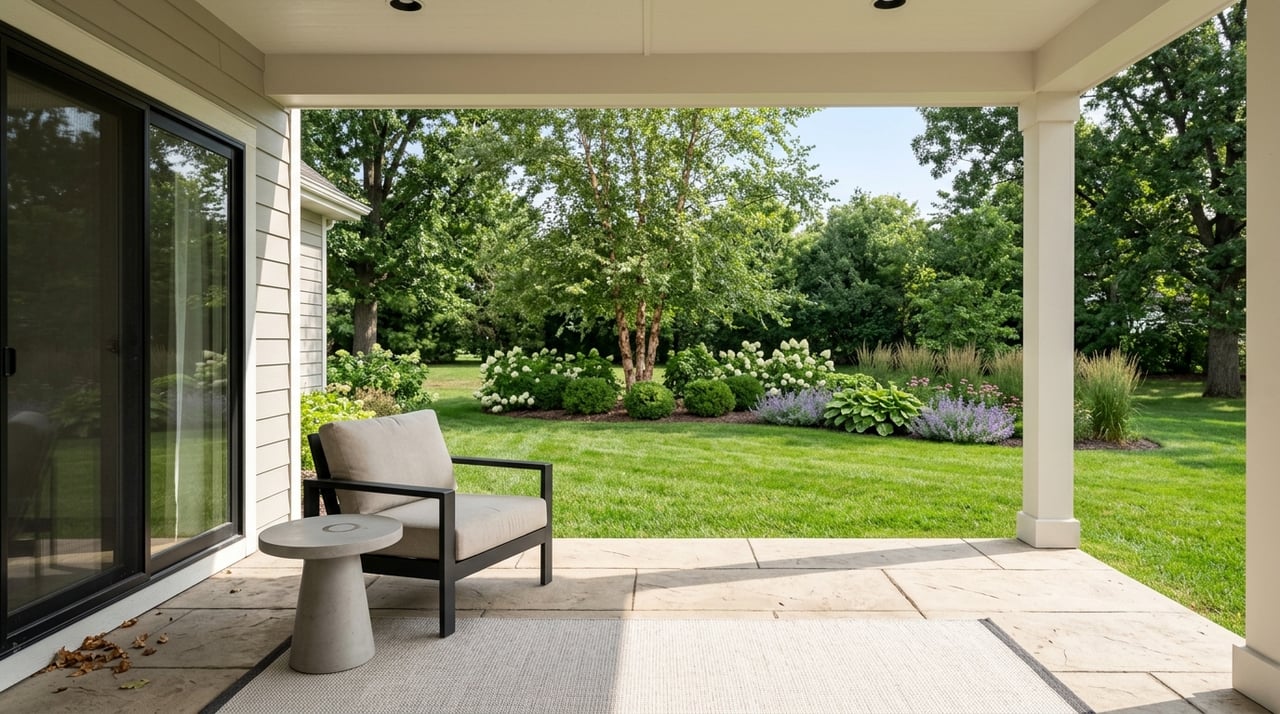
Staging can also help buyers picture how the home lives. In NAR's 2025 staging report, 83% of buyers' agents said staging made it easier for buyers to visualize a property as a future home, and 49% of sellers' agents said staging reduced time on market.
That does not always mean full-scale staging. Sometimes it means simplifying rooms, improving furniture layout, removing distractions, and making the home feel brighter and more open in photos.
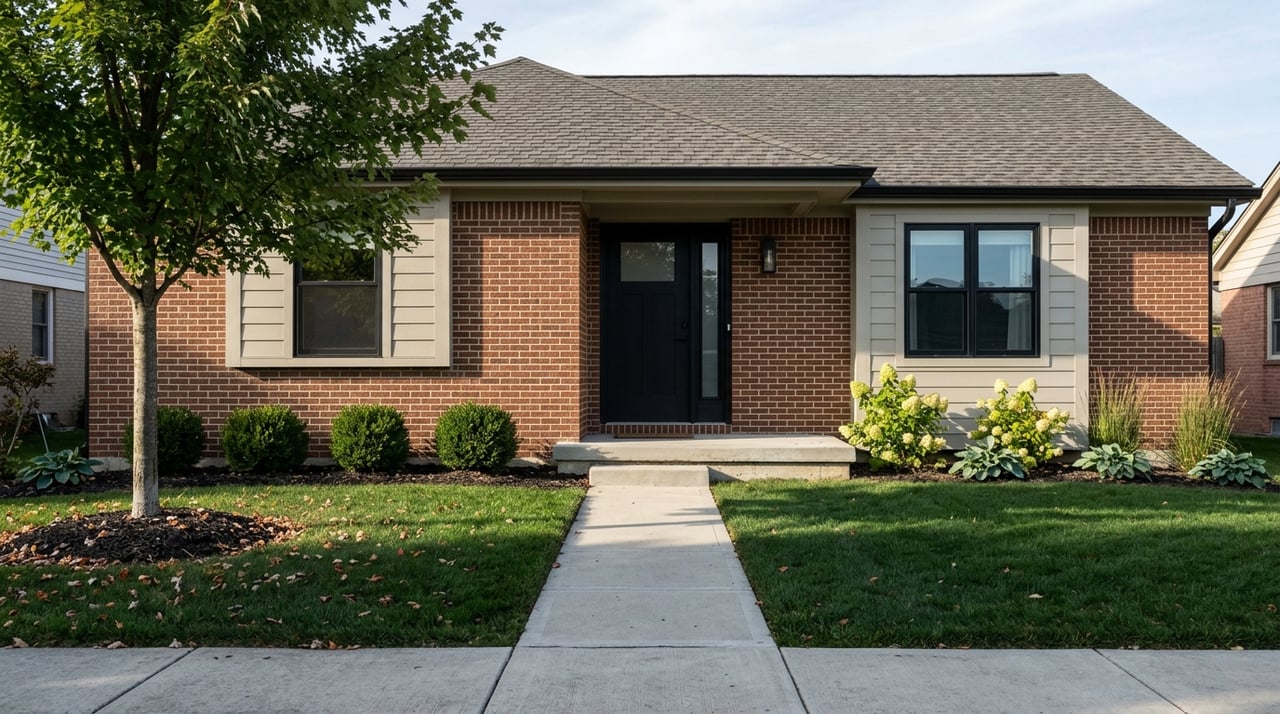
When your home goes live, you want the listing to look polished and complete from the start. That usually includes professional photos, accurate property details, and a marketing plan built around MLS exposure and strong digital presentation.
Because Avon homes have recently been going pending in around 13 days, the launch window is especially important. The first one to two weeks often shape buyer traffic, feedback, and offer quality. That is not a legal rule, but it is a practical takeaway from current local market data.
Once showings begin, expect a fast feedback cycle. Buyers may move quickly, especially when a home is well presented and priced in line with the market. Keeping the home ready and staying flexible with showing access can help you capture as much early activity as possible.
Feedback during this stage can be useful, especially if the same points come up more than once. Comments about condition, layout, or price can help you and your agent evaluate whether the market is responding the way you expected.
The highest offer is not always the strongest offer. Price matters, but so do financing terms, contingencies, requested timelines, and the buyer's overall ability to close. A cleaner offer with fewer complications can sometimes put you in a better position than a higher number with more risk.
This is where negotiation becomes especially important. You may be weighing multiple offers, responding to repair requests, or sorting through appraisal and timing concerns. Clear advice and strong communication can help you protect both price and terms.
After you accept an offer, the transaction moves into a more detailed phase. If the buyer is financing the purchase, the lender will generally require an appraisal. The buyer will also usually schedule a home inspection.
These are different steps, and each can affect the path to closing. The Consumer Financial Protection Bureau notes that if an inspection or appraisal reveals major issues, closing can become more complicated. In some situations, a seller may offer a closing-cost credit instead of completing repairs right away.
This stage often comes down to problem-solving. If issues come up, the goal is to keep the transaction moving while making informed decisions about repairs, credits, or contract changes.
Once the contract is signed, the buyer usually works through lender underwriting and final approval. During this period, there may be requests related to the appraisal, title work, closing logistics, or other paperwork. Delays often happen when responses are slow or when new issues surface late in the process.
For sellers, this part is less visible than the listing stage, but it still matters. Staying responsive and organized can help reduce stress and keep the closing timeline on track.
A financed closing period typically lasts about 30 to 45 days after offer acceptance. During that time, the buyer usually finalizes underwriting documents, reviews closing paperwork, and prepares to sign. The lender must provide the Closing Disclosure at least three business days before closing.
Before the final signing, buyers often complete a final walkthrough. The sale is not finished until the settlement agent completes the legal transfer and distributes funds.
Indiana has one more detail sellers should know. The sales disclosure form must be reviewed by the county assessor and forwarded to the county auditor, and the auditor may not accept the conveyance if the form is missing, incomplete, or unstamped.
Even when a sale starts strong, a few common issues can slow the final stretch. Most are manageable, but it helps to know where delays tend to happen.
Common closing slowdowns include:
The best way to reduce these risks is to prepare early, disclose accurately, and stay engaged from contract to closing.
Selling a home is not just about putting a sign in the yard. In a market like Avon, where timing and presentation matter, you benefit from a plan that ties together pricing, preparation, marketing, and negotiation.
That is one reason most sellers still choose professional representation. NAR's 2025 seller data showed that 91% of sellers used an agent, while only 5% sold by owner. For many homeowners, the value is not just exposure. It is having someone who can guide the process, solve problems, and help protect your outcome from start to finish.
If you are planning to sell in Avon or elsewhere in Hendricks County, the process gets easier when you know what is coming and have a local strategy in place. When you are ready to map out pricing, timing, and next steps, connect with Scott Harmeyer.
Stay up to date on the latest real estate trends.


Whether you are buying, selling, or looking to get pre-qualified, you’ve come to the right place to achieve success in our exciting housing market. Feel free to reach out anytime with any questions or comments!