Historic Charm Or New Build? Choosing A Zionsville Home
May 21, 2026
May 21, 2026
Are you drawn to a brick-paved Main Street and a home with a story, or do you want the comfort of newer systems and a more predictable ownership experience? If you are home shopping in Zionsville, that choice is often at the center of your search. Understanding how historic Village homes compare to newer builds can help you focus on what fits your lifestyle, priorities, and long-term plans. Let’s dive in.
Zionsville stands out because it blends a historic Village core with decades of newer suburban growth. The town describes itself as a mix of modern and rustic, centered around a walkable downtown with historic architecture and its well-known brick Main Street. That dual identity is a big part of what makes the local housing market so appealing.
You can feel that contrast in the homes themselves. In the Village, some residences date back to the mid-1800s and include historic forms like Greek Revival and central-gable structures. Outside that core, newer neighborhoods have expanded north along U.S. 421 and west toward Whitestown over the past 20 years.
This is not really a question of which option is better. In Zionsville, the smarter question is which setting, maintenance level, and ownership style feel right for you.
If you picture Zionsville as charming, walkable, and full of character, you are probably thinking about the Village. Main Street Zionsville highlights the area’s pedestrian-friendly setting, and local planning efforts continue to focus on traffic flow, pedestrian safety, and access to the historic core. That can create a very different day-to-day experience than a newer subdivision.
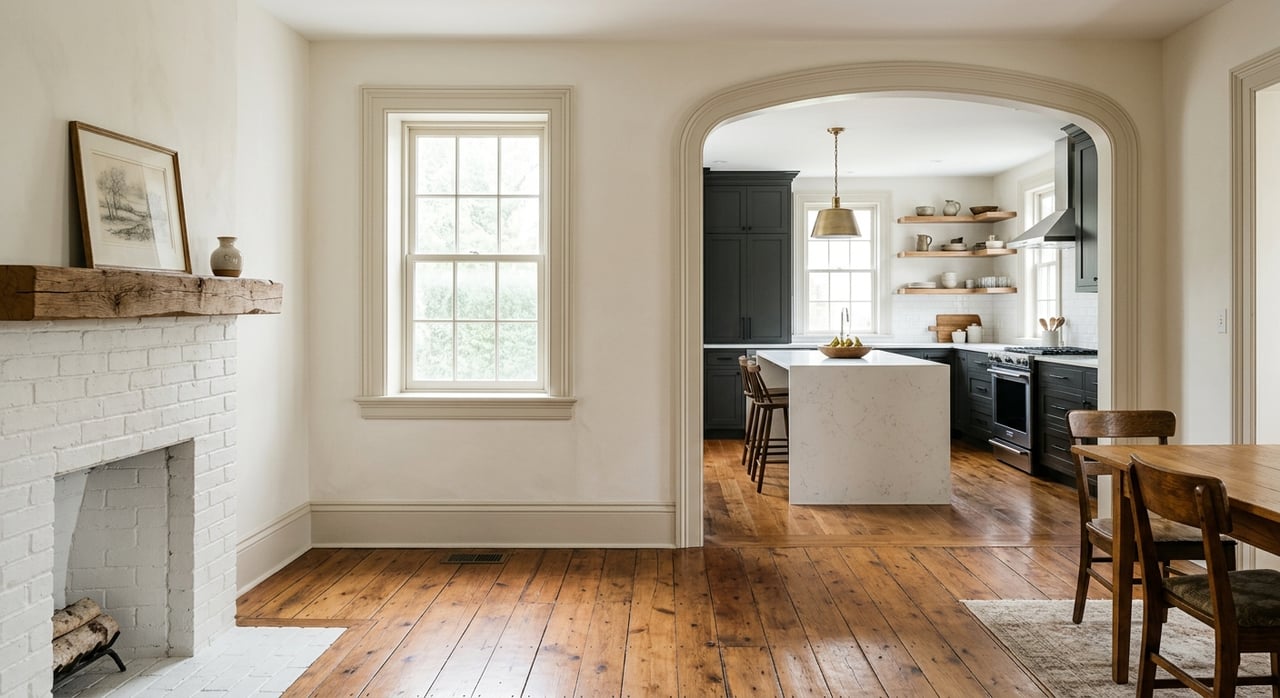
Historic Village homes often offer details you do not easily find in newer construction. Think porches, masonry, older lot patterns, mature trees, and one-of-a-kind exterior features. In many cases, the home feels connected to Zionsville’s original story rather than built as part of a more recent master-planned development.
That sense of individuality is a major draw. If you value homes that feel distinctive and rooted in place, the Village can be especially appealing.
With older homes, charm and upkeep usually go together. Zionsville’s façade guidelines emphasize preserving or repairing original windows, porches, roofs, masonry, and wood details, while discouraging changes or substitute materials that alter historic appearance. That tells you a lot about the expectations around maintaining these properties.
For buyers, that usually means paying close attention to age, condition, and how much original material remains. Because some Village homes date to the mid-1800s, repairs may be more specialized than what you would expect in a newer house. Not every older home will need major work, but it is wise to go in expecting a more careful inspection and a more thoughtful maintenance plan.
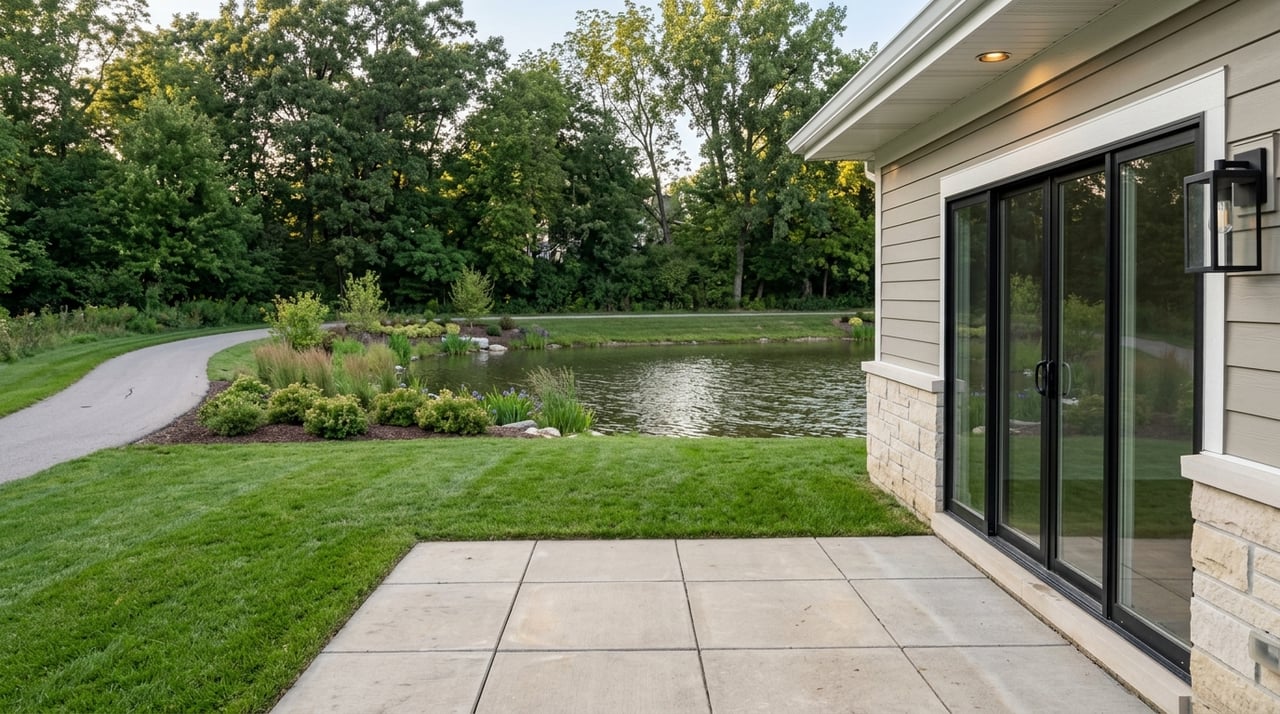
One of the biggest advantages of the Village is the lifestyle around the home, not just the home itself. Zionsville says it has more than 800 acres of parkland, more than 20 parks, and a paved trail network of over 20 miles anchored by the Big-4 Rail Trail. That adds everyday convenience and outdoor access to the appeal of living near the historic center.
If you like the idea of being part of a walkable, established setting with visible local history, the Village can deliver something hard to replicate. It often feels more organic, more personal, and less uniform than newer neighborhoods.
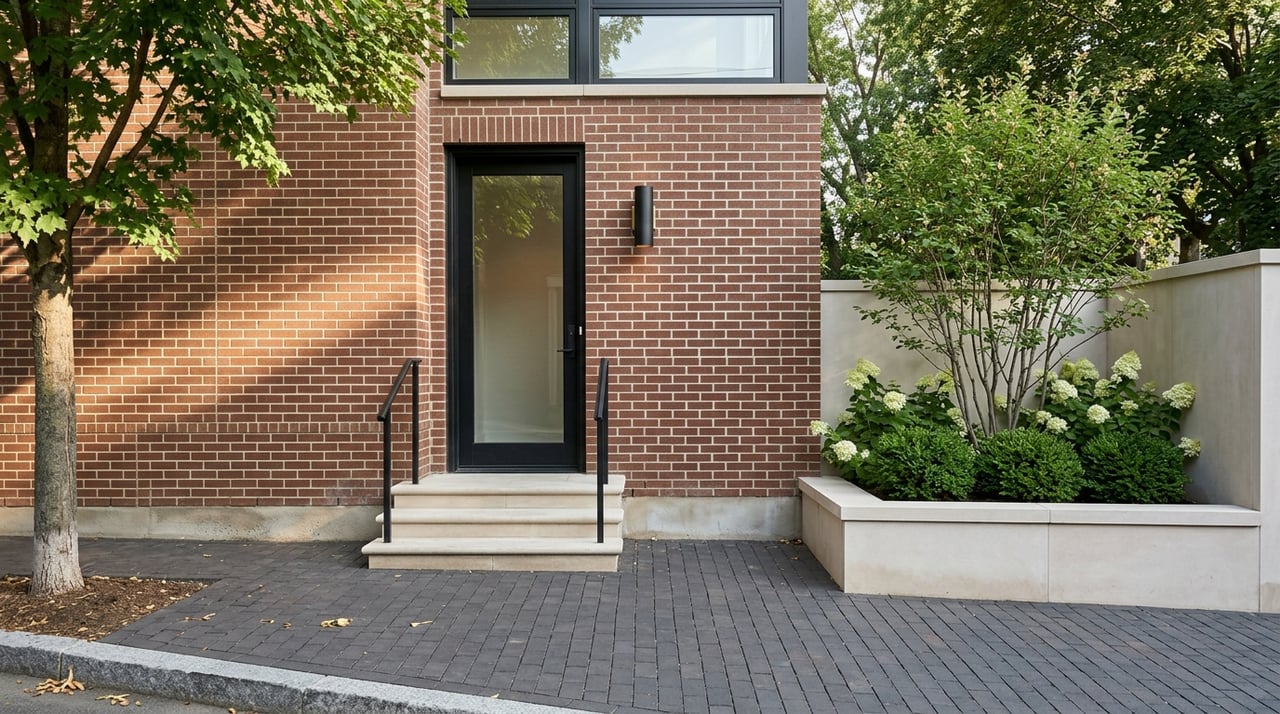
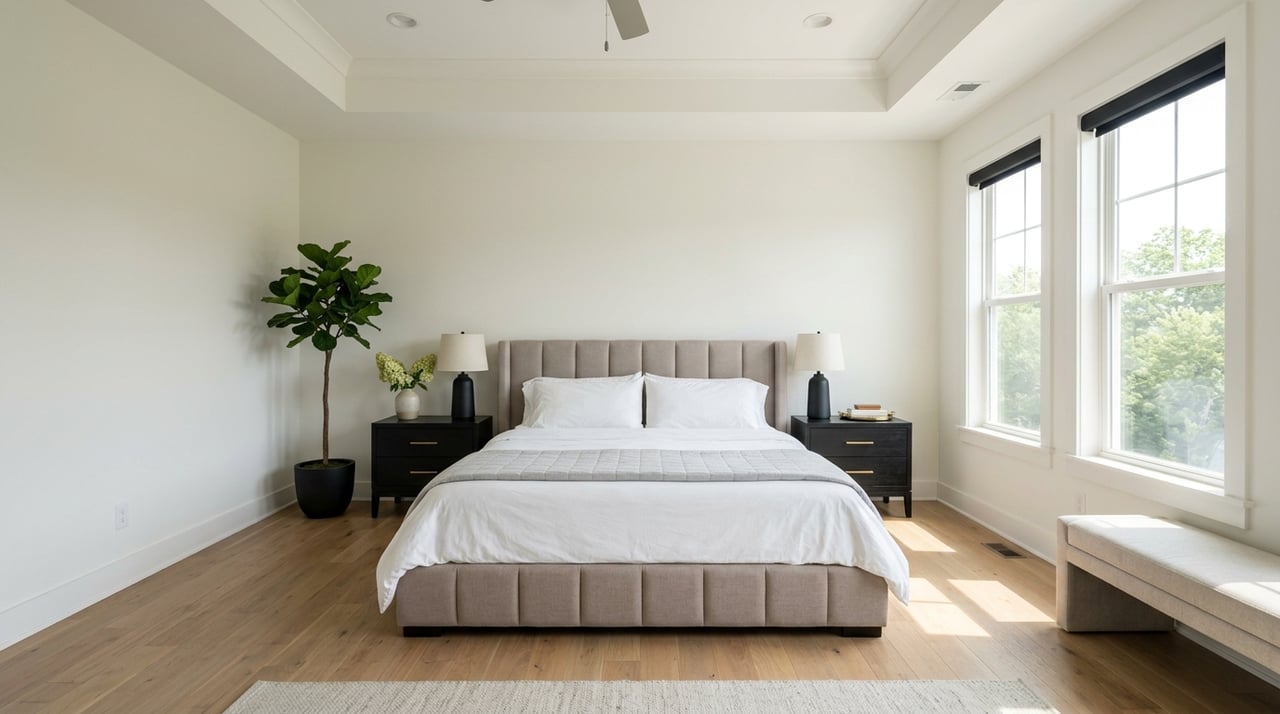
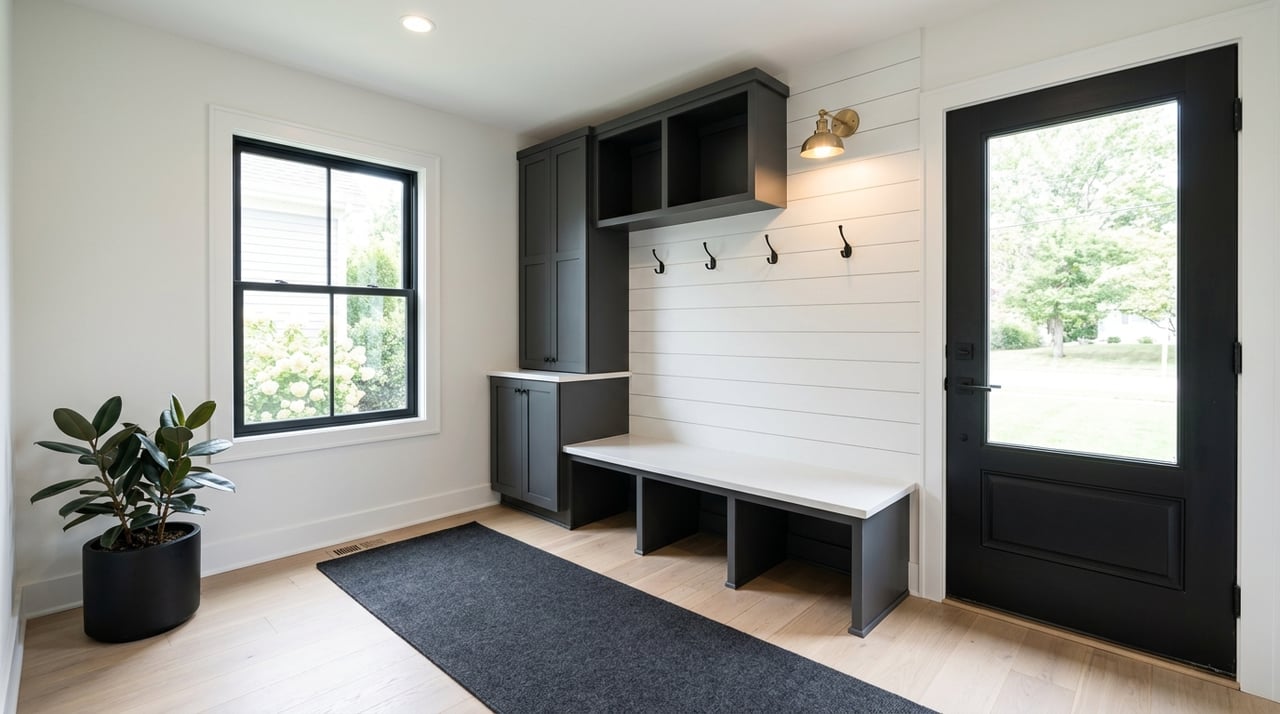
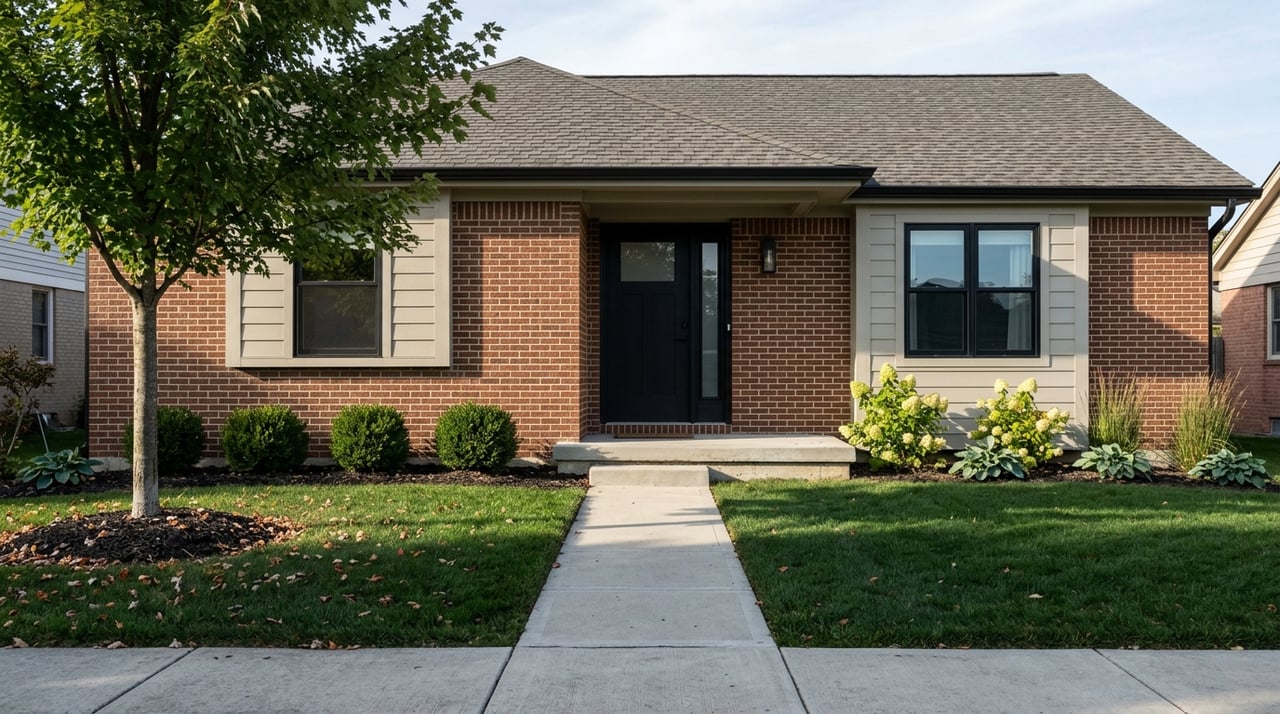
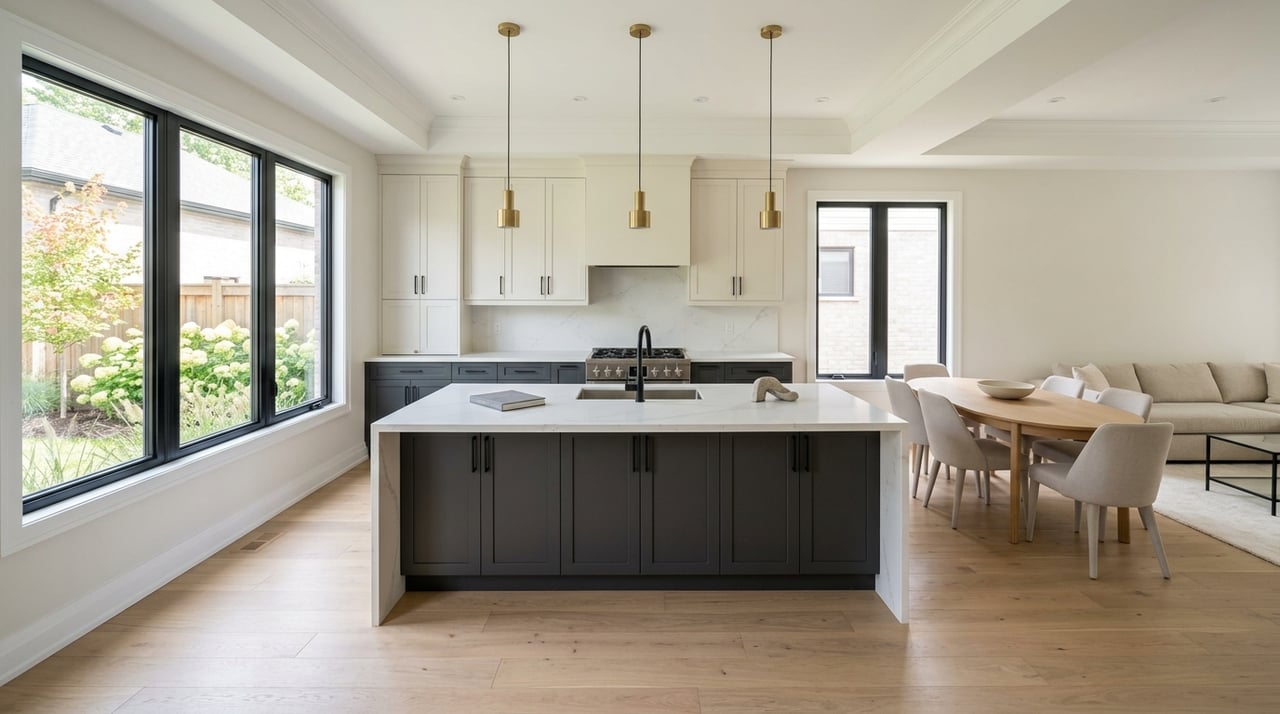
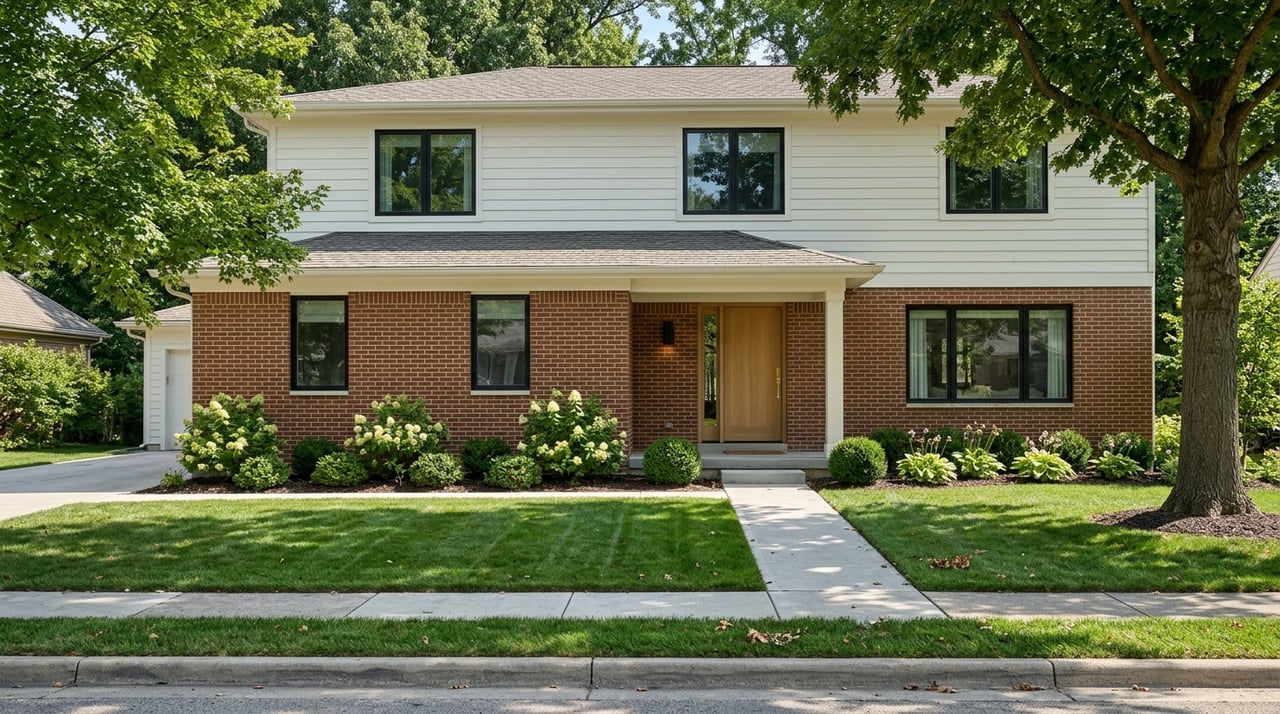
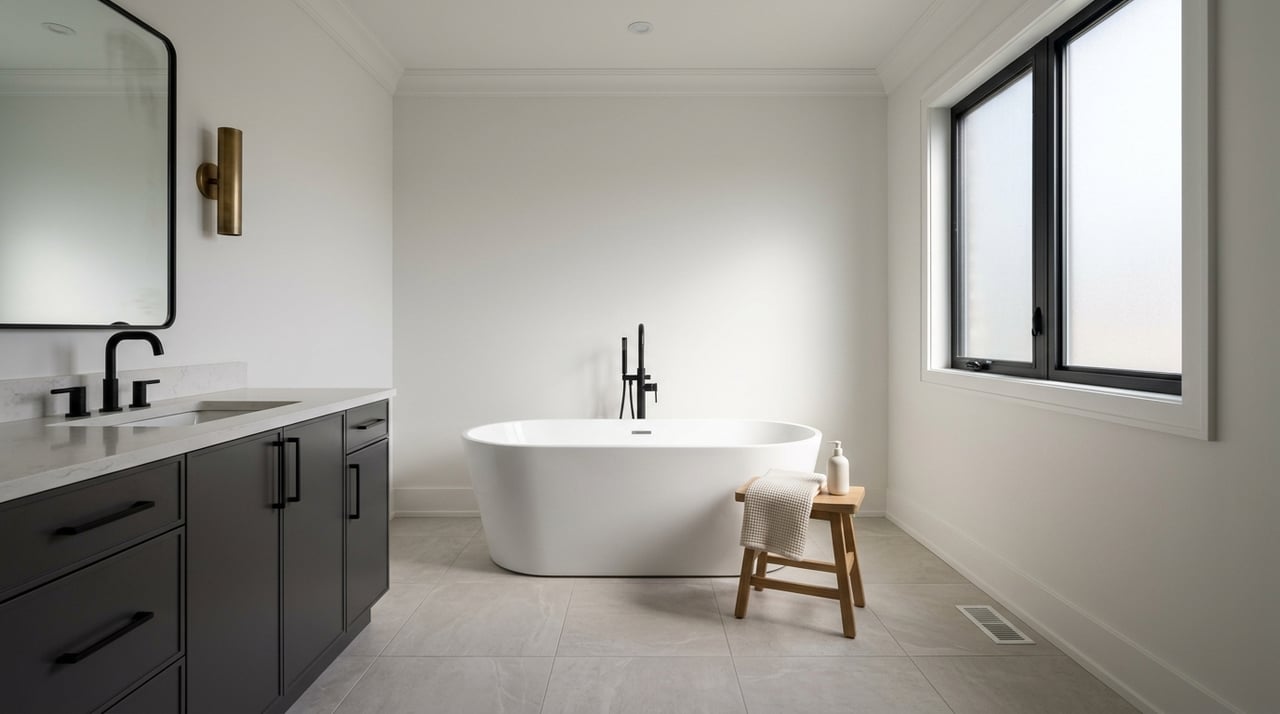
Newer homes in Zionsville usually attract buyers who want modern layouts, newer systems, and a more standardized ownership experience. Over the last two decades, residential growth has expanded well beyond the Village, creating a wider range of subdivision styles and lot types. That gives you more choices, but it also means newer neighborhoods are not all the same.
Some planned developments are more compact, while others offer much larger homesites. For example, town documents show that Inglenook allows detached homes on minimum lots of 3,500 square feet and even permits zero-lot-line development. Holliday Farms includes subareas with lot sizes ranging from 7,250 to 20,000 square feet and lot widths from 50 to 150 feet.
That variation matters when you picture your daily life. A newer build in one community may feel low-maintenance and closely planned, while another may offer a more spacious layout and a different streetscape.
One practical benefit of new construction is that the early ownership period is often more predictable. Most newly built homes commonly include a builder warranty that may cover workmanship and materials for one year, systems like HVAC, plumbing, and electrical for two years, and major structural defects for up to 10 years. Coverage varies, and warranties do not cover everything, but they can still offer helpful peace of mind.
That does not mean a new home is maintenance-free. It does mean your first years of ownership may involve fewer age-related surprises compared with a home that has been standing for many decades.
Modern subdivisions may give you a cleaner, more coordinated appearance across the neighborhood, but that often comes with design standards and maintenance expectations. In Holliday Farms, planning documents encourage coordinated street lighting, decorative fencing, screened mechanical equipment, and a consistent color palette. In The Farm, owners are responsible for ongoing landscaping tasks like mowing, trimming, mulching, and replacing dead or overgrown plantings.
That structure can be a benefit if you like a polished, planned environment. It can also feel restrictive if you prefer the looser individuality of an older in-town property.
When you compare a Village home with a newer build, a few themes usually matter most.
Historic homes tend to offer more one-off details, older materials, and a stronger sense of architectural individuality. Newer homes often provide more visual consistency, especially in planned developments with clear design standards.
The Village is closely tied to downtown Zionsville’s walkable environment and historic streetscape. Newer neighborhoods may offer different amenities and layouts, but they are often shaped more by subdivision planning than by a traditional town center pattern.
Older homes may need more careful maintenance, especially when original features are still in place. Newer homes often appeal to buyers who want newer mechanical systems and the possibility of builder warranty coverage during the first years.
Village homes often sit on older lot patterns with a less uniform feel. Newer subdivisions may range from compact zero-lot-line homes to larger estate-style lots, but many also include more explicit rules for design, screening, and landscaping.
If you are deciding between historic charm and a new build in Zionsville, these questions can help narrow your search.
The best Zionsville home for you is the one that matches how you want to live, not just what looks best in photos. If you want history, walkability, and a home with visible character, the Village may feel like the right match. If you want newer systems, a more predictable ownership period, and a more structured neighborhood environment, a newer build may make more sense.
This is where local guidance matters. Zionsville is not a one-note market, and the difference between neighborhoods can be significant even within the same price range. Looking beyond surface style can help you choose a home that fits your routine, your comfort level, and your goals.
If you want help comparing Zionsville neighborhoods, weighing tradeoffs, and finding the right fit for your move, Scott Harmeyer can help you make a confident decision.
Stay up to date on the latest real estate trends.
Whether you are buying, selling, or looking to get pre-qualified, you’ve come to the right place to achieve success in our exciting housing market. Feel free to reach out anytime with any questions or comments!