Understanding Today’s Luxury Market In Carmel
June 4, 2026
June 4, 2026
If you are watching Carmel’s luxury market, you have probably noticed something important: high-end homes are still moving, but not all at the same speed or on the same terms. That can feel confusing whether you are thinking about buying a premium home or preparing to sell one. The good news is that once you look at the neighborhood-level trends, the market starts to make a lot more sense. Let’s dive in.
Carmel remains a fast-moving housing market overall. As of April 2026, Redfin reports a citywide median sale price of $549,716, a median of 18 days on market, and a 99.3% sale-to-list ratio. It also reports that 29.2% of homes sold above list price, while 22.3% had price drops.
That said, luxury in Carmel should not be treated as one flat price band. Redfin defines luxury homes as the top 5% of a metro area’s price range, which means the premium tier is relative to the local market rather than tied to one exact number. In practical terms, that means your strategy should be shaped by the specific neighborhood, product type, and buyer expectations around that home.
When you look at Carmel’s premium neighborhoods, you can see why broad averages only tell part of the story. Several areas show similar sale-to-list ratios, but very different price points, inventory levels, and time on market. That is what makes neighborhood-level guidance so important.
The Village of West Clay currently has 24 homes for sale, with a median listing price of $797,450 and a median sold price of $665,000. Homes there are averaging $219 per square foot and a median of 19 days on market. The neighborhood’s sale-to-list ratio is 98%, which means homes sold about 2.26% below asking on average in March 2026.
West Clay also stands out for its built-in lifestyle appeal. The owners association describes the community as having workout facilities, tennis and basketball courts, pools, paths, meeting spaces, more than 45 park areas, 25 ponds, and 7 miles of paths across 760 acres. For buyers, that can add to the appeal of a move-in-ready home. For sellers, it means presentation and pricing still need to match the lifestyle promise.
Carmel City Center has 66 homes for sale, making it the largest of these premium areas by active inventory. The median listing price is $630,000, while the median sold price is $320,000, with homes averaging $370 per square foot and 26 median days on market. The sale-to-list ratio is also 98%, with sold prices averaging 1.96% below asking.
The City of Carmel describes City Center as a multi-phase mixed-use downtown core. That context matters because the area includes a wider range of housing types, including condos and smaller urban-style units. If you are buying or selling here, it is especially important to compare your property to the right set of similar homes rather than rely on one headline number.
The Carmel Arts and Design District has just 9 homes for sale, making it the smallest of the main premium markets by active inventory. Realtor.com reports a median home price of $749,900, $407 per square foot, and 80 days on market. The sale-to-list ratio is 98%, with homes selling for 2.29% below asking on average in December 2025.
The city describes this district as a major arts-and-design destination with galleries, restaurants, specialty retail, and residential options along the Monon Greenway. That mix gives the area a distinctive lifestyle identity. It also shows that a lower inventory count does not always mean a faster sale, especially when buyers are searching for a very specific fit.
Bridgewater Club currently has 13 homes for sale, with a median listing price of $642,450 and homes averaging $193 per square foot. Median days on market sit at 48. Its public summary highlights golf, wellness, racquet sports, dining, and aquatics as part of the community offering.
Compared with West Clay and City Center, the longer days on market suggest a narrower buyer pool for this type of home and lifestyle package. That makes accurate pricing and polished presentation even more important. In Carmel’s upper-end market, a home can be desirable and still take longer to match with the right buyer.
One of the clearest patterns in Carmel’s premium neighborhoods is that sale-to-list ratios are clustering around 98%, not consistently above 100%. West Clay, City Center, and the Arts and Design District all show that same ratio, even though their days on market are quite different. That tells you sellers cannot rely on general market momentum alone.
If you are selling, the strongest approach is to price from the most recent neighborhood comps and the exact product type. A luxury condo, a custom home in an amenity-rich neighborhood, and a walkable district property may all attract different buyer groups. The more specific the pricing strategy, the better your odds of protecting value and avoiding a stale listing.
It also helps to stay realistic about timing. Higher price does not automatically mean faster demand. In Carmel luxury, condition, curb appeal, lifestyle fit, and micro-location all appear to play a major role in how close a home gets to asking price and how long it takes to secure a contract.
If you are buying in Carmel’s luxury segment, this market rewards preparation. Homes can still move quickly at the city level, but neighborhood patterns show that not every listing behaves the same way. Some homes sell fast because they match what buyers want right now, while others sit longer because of price, layout, condition, or location within the neighborhood.
That creates opportunity if you know how to read the signals. A well-positioned home in West Clay may move on a much tighter timeline than a property in the Arts and Design District, where median days on market are much longer. Buyers who understand those differences can make stronger offers, move quickly when needed, and negotiate more confidently when a listing has lingered.
Luxury buyers in Carmel are not just choosing square footage. They are also choosing a lifestyle, and Carmel offers several distinct ones. The city highlights trails, public art, pedestrian-friendly development, festivals, live music, the Christkindlmarkt, and the performing arts campus as part of its quality-of-life appeal.
Within that bigger picture, each premium area offers something a little different. West Clay is known for its village-style setting with paths, pools, courts, and community spaces. City Center offers a mixed-use downtown setting on the Monon Greenway, while the Arts and Design District blends culture, retail, and walkability. Bridgewater Club centers more heavily on golf, wellness, and club-style amenities.
For sellers, that means your home should be marketed in a way that connects with the lifestyle buyers expect in that location. For buyers, it means the right home is not always the one with the biggest list of features. It is often the one that best fits how you want to live day to day.
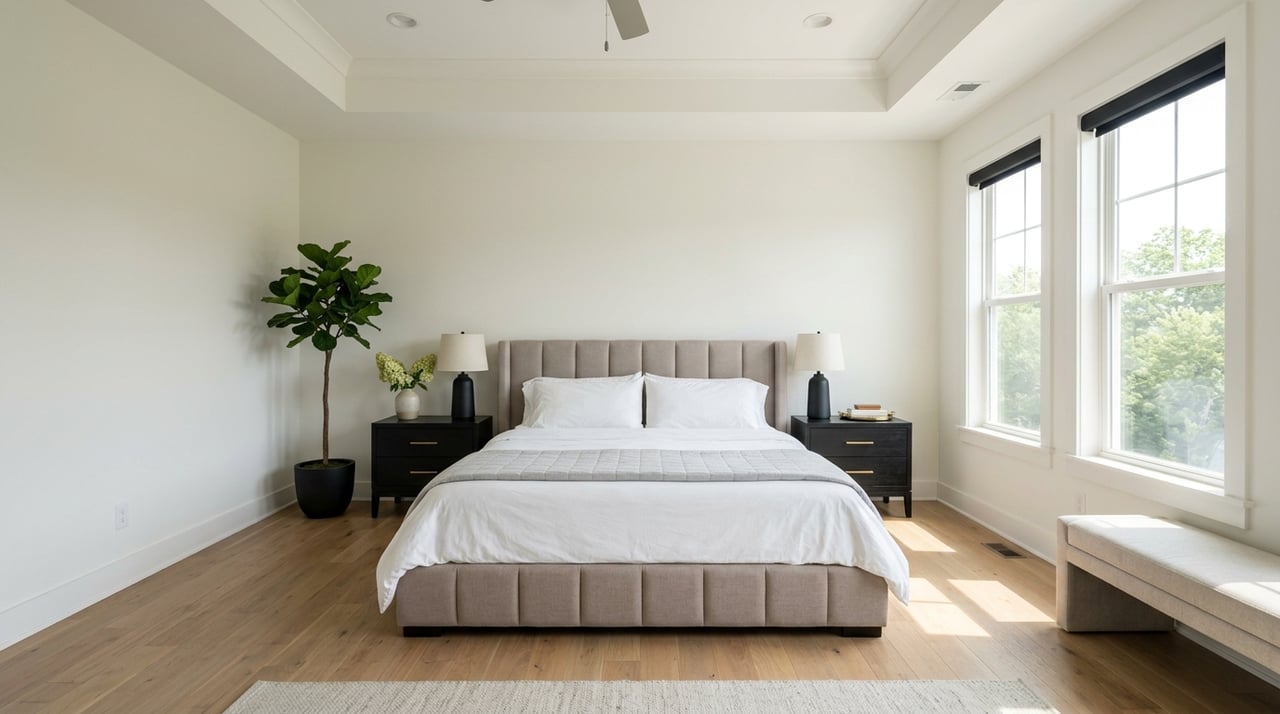
In a market where many premium homes are selling slightly below asking, presentation can help narrow the gap between list price and final price. The National Association of Realtors’ 2025 Profile of Home Staging found that 83% of buyers’ agents said staging makes it easier for buyers to visualize a property as a future home. The same report found that photos were rated highly important by 73% of buyers’ agents, followed by physical staging at 57%, videos at 48%, and virtual tours at 43%.
The report also showed that staged homes can offer practical advantages. Seventeen percent of buyers’ agents said staging increased the dollar value offered by 1% to 5%, and 30% of sellers’ agents reported slight decreases in time on market. In a selective luxury market, those small edges can matter.
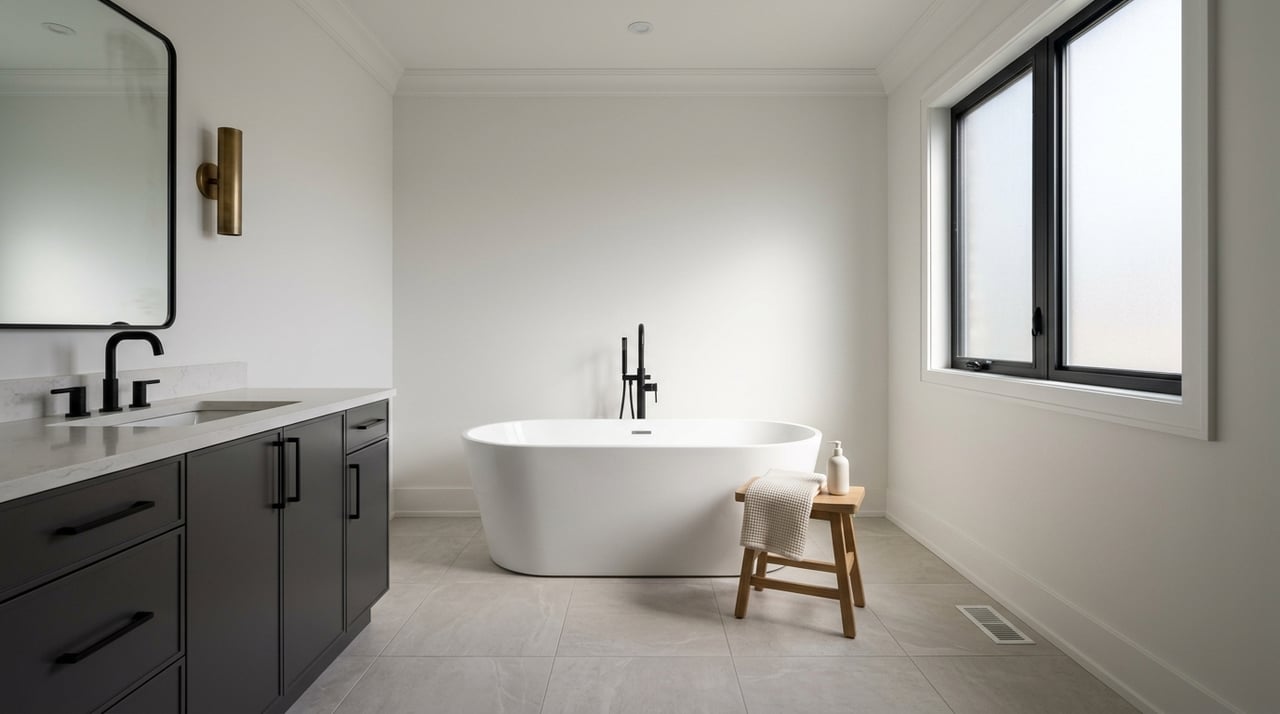
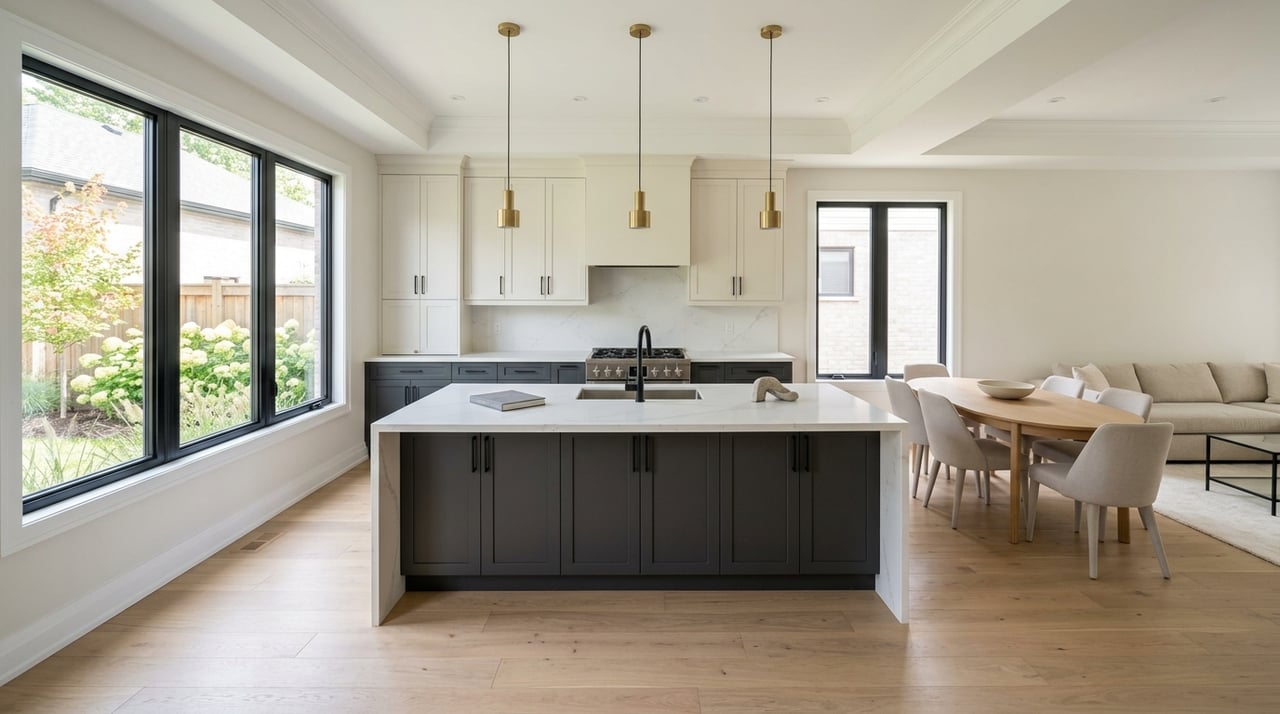
Redfin’s 2026 luxury staging guidance points to many of the same ideas. High-end buyers tend to respond to homes that feel calm, sophisticated, and move-in ready, with fresh paint, updated lighting, landscaping, neutral palettes, and less-personal decor. Updated kitchens and baths also continue to resonate strongly.
Today’s high-end buyers are often paying close attention to both style and function. Redfin highlights features such as spa-style bathrooms, smart home systems, energy-efficient windows and insulation, flexible bonus rooms, warm modern kitchens, indoor-outdoor flow, resort-style outdoor spaces, home gyms, wine cellars, and pickleball courts.
That does not mean every luxury home needs every feature. It does mean buyers are often comparing homes through the lens of comfort, convenience, and daily use. If you are selling, it helps to identify which features your home already offers and which upgrades or finishing touches could improve appeal before going live.
Carmel’s luxury market is healthy, but it is not automatic. Homes are still moving, yet neighborhood differences in price, inventory, and days on market show that buyers are selective and sellers need a precise plan. The homes that tend to perform best are the ones that combine smart pricing, strong presentation, and a clear lifestyle fit.
Whether you are buying your next home or preparing to sell in Carmel, local context matters. A broad market headline can be useful, but the real advantage comes from understanding how your neighborhood, price point, and property type fit into today’s market. If you want a clear strategy built around Carmel’s current luxury trends, connect with Scott Harmeyer.
Stay up to date on the latest real estate trends.
Whether you are buying, selling, or looking to get pre-qualified, you’ve come to the right place to achieve success in our exciting housing market. Feel free to reach out anytime with any questions or comments!